








- Hayleys PLC
- ESG
- Environmental
Environmental
The global environmental crisis, driven by climate change and biodiversity loss, is the defining crisis of our time. Stemming further destruction and degradation requires fundamental transformations in how our economies function – including how we generate power, utilise land, produce food and transport people and goods among others.
Hayleys is taking action across three areas of environmental focus:

Accelerate Climate Action
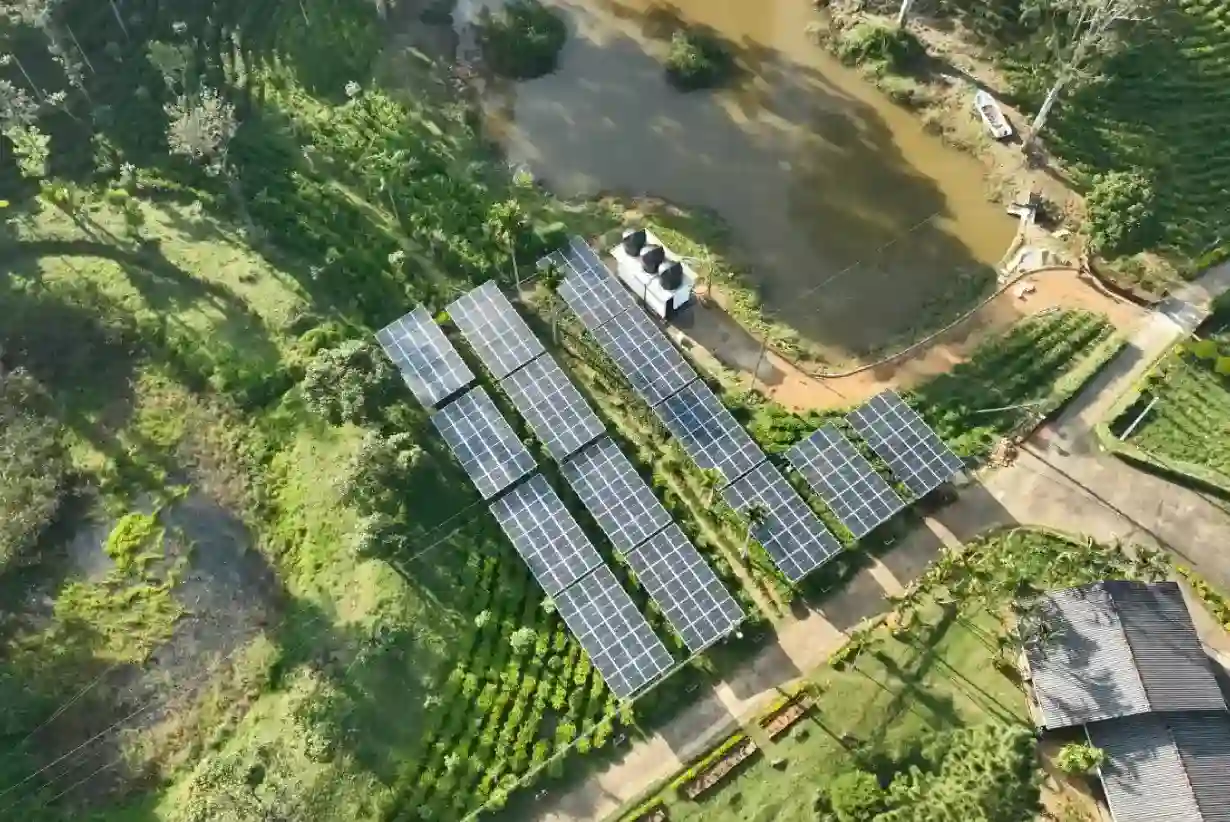
We have set out a clear plan to reduce our Scope 1 & 2 emissions by 30% by 2030 and reach net zero by 2050. We are investing in renewable energy across our operations, implementing Group-wide energy efficiency programmes and driving product innovations to reduce the environmental impacts of our products. We are also working with our extensive supply chain partners to reduce emissions along our value chain.
Renewable Energy
Target:
Reliance on sustainable and renewable energy sources by 2030
Actual Performance:
Reliance on renewable energy by 2023/24
Actions:
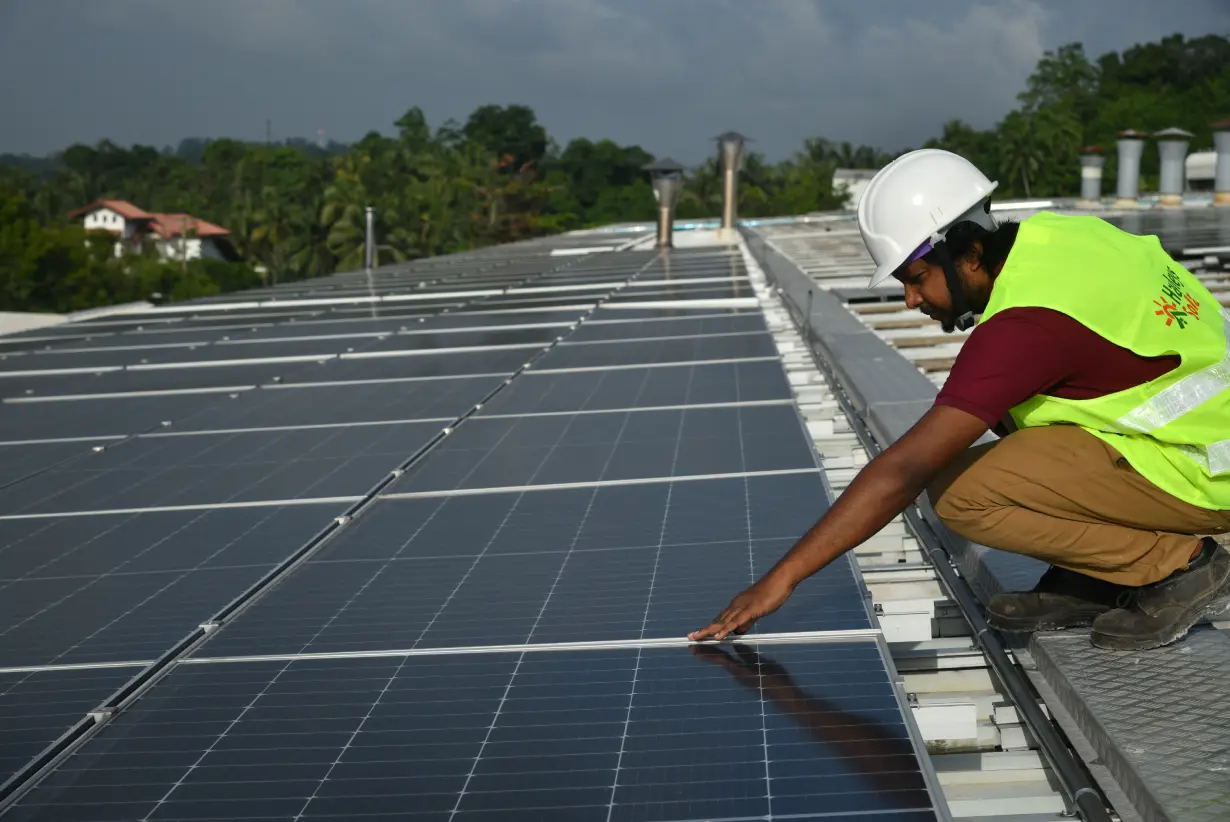
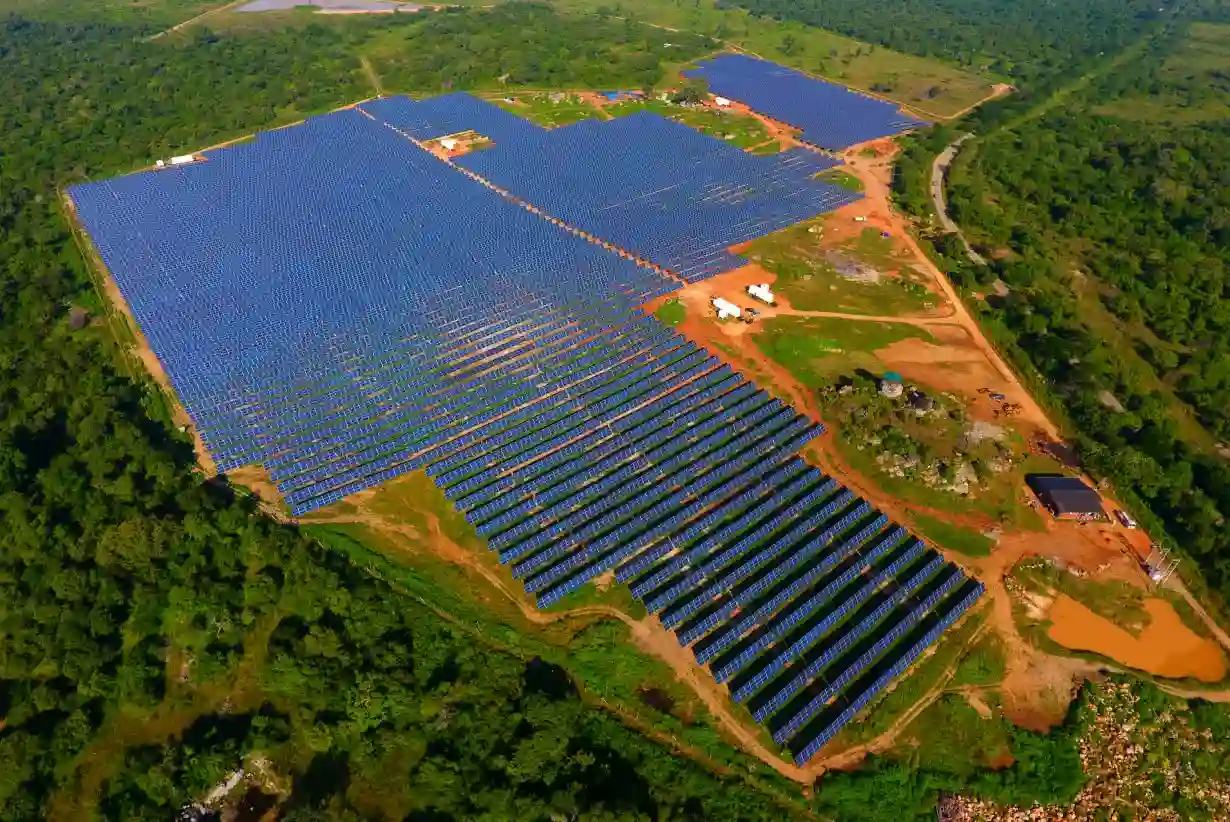
- Increased investments in renewable energy including solar and biomass, including a Group-wide solar installation project
- Ongoing investments in energy efficient infrastructure and operations
- Installed capacity of over 50MW of renewable energy through the Group’s Power & Energy Sector
Carbon Footprint
Target:
Reduction in absolute Scope 1 and Scope 2 GHG emissions from the baseline of 2018/19 by 2030
Actual Performance:
Reduction by 2023/24
Actions:
- Increased reliance on renewable energy sources, with emphasis on biomass
- Increased investments in solar power generation across the Group
- Third-party verification of the Group’s carbon footprint
- Two major sectors obtain verification of carbon targets by Science Based Targets Initiative
In addition to the above, the Fentons Group is supporting the country’s shift towards cleaner energy, as the leader in the domestic solar solutions industry, with an installed capacity of 250 MWp of rooftop solar power.

Optimise Resource Footprint
With Sri Lanka facing significant water stress and global resource constraints intensifying, we recognise that responsible resource management is critical to long-term climate resilience. We are taking purposeful steps to optimise our resource footprint across our operations and value chain by advancing water stewardship and circular economy principles.
Water
Sri Lanka is facing significant water stress and conserving water must become a national priority. To this end, we are driving organisation-wide efforts to increase the water efficiency of our operations and reduce water withdrawal.
Sustainable Water Sourcing
Target:
Sustainable water sourcing across the Group by 2030
Actual Performance:
Sustainable water sourcing, 14% Wastewater recycled by 2023/24
Actions:
- Rainwater harvesting in several sectors including Agriculture, Plantations and Hand Protection
- Integrated water management in the plantation sector estates
- Investments in improving capacity and technology of effluent treatment plants to facilitate increased use of recycled water
Reduction in Water Intensity
Target:
Reduction in water intensity by 2030
Actual Performance:
Increase in water intensity by 2023/24
Actions:
- Process innovations across our operations to drive increased water efficiency
- Awareness building and employee engagement in creating a water conscious culture
Materials and Waste
The world’s resource frontier is now increasingly under strain and there is a vital need to close the loop with a transition towards a circular economy. In addition to stepping up efforts to reduce waste generation and dispose of waste responsibly, we are also investing in innovations which prioritise circularity.
Traceability of all Waste by 2030
The Group is currently in the process of improving its waste mapping and reporting with the intention of launching a holistic waste management roadmap in the near future
Target:
Sustainable water sourcing across the Group
Actual Performance:
Sustainable water sourcing, 14% Wastewater recycled
Actions:
- Drive improvements in waste tracking and reporting across the Group
- Increased focus on the use of recycled raw materials
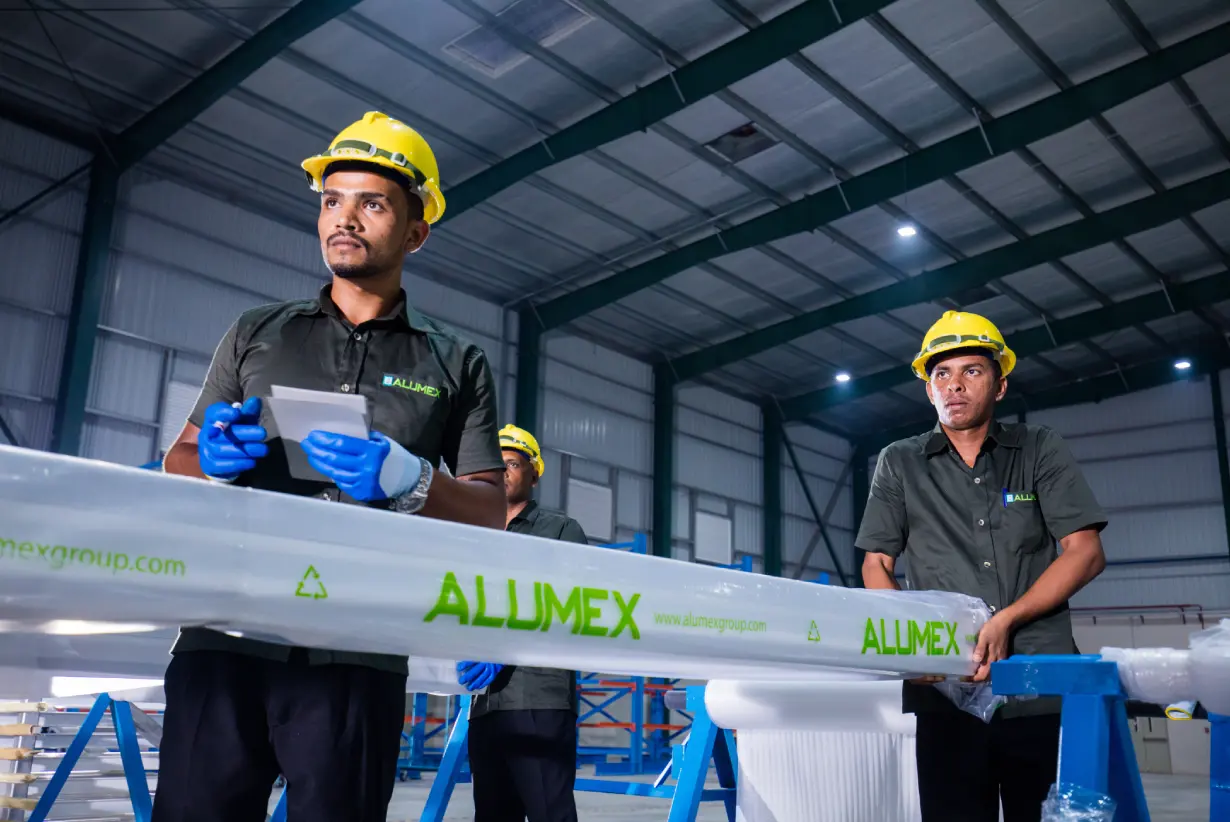
- Use of recycled aluminum in the Construction Materials Sector
- Increase reliance on recycle, reusable or compostable packaging material
- Recycled PET yarn as an input for sustainable fabric and glove manufacturing in the Textiles and Hand Protection Sectors
- Island-wide e-waste collection programme by Singer (Sri Lanka) PLC

Restore and Regenerate Nature
Biodiversity: The world’s alarming loss of biodiversity is being dubbed the earth’s sixth mass extinction, posing an irreversible and critical threat to the health of the planet. We are driving numerous biodiversity and ecosystem preservation efforts across our sectors
Environmental
Improvement
Initiatives
Project Kirulu
Project Kirulu
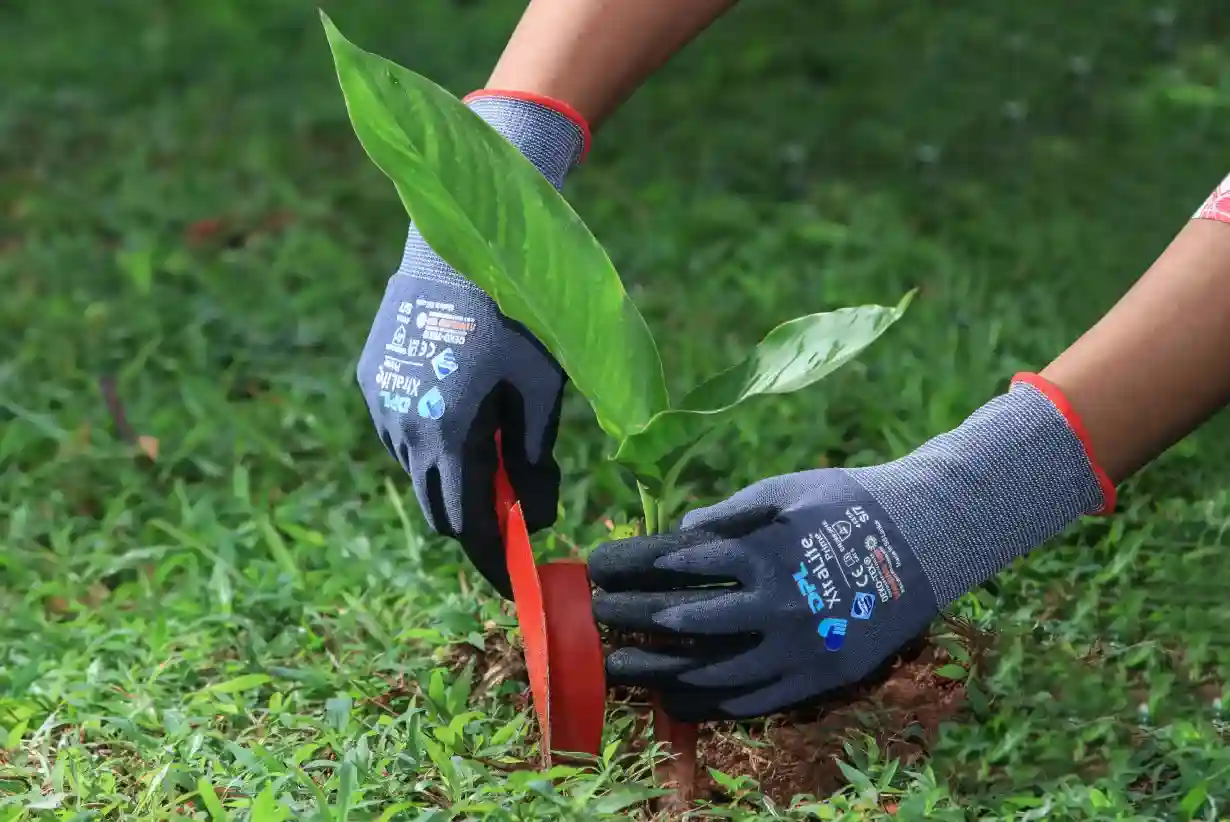
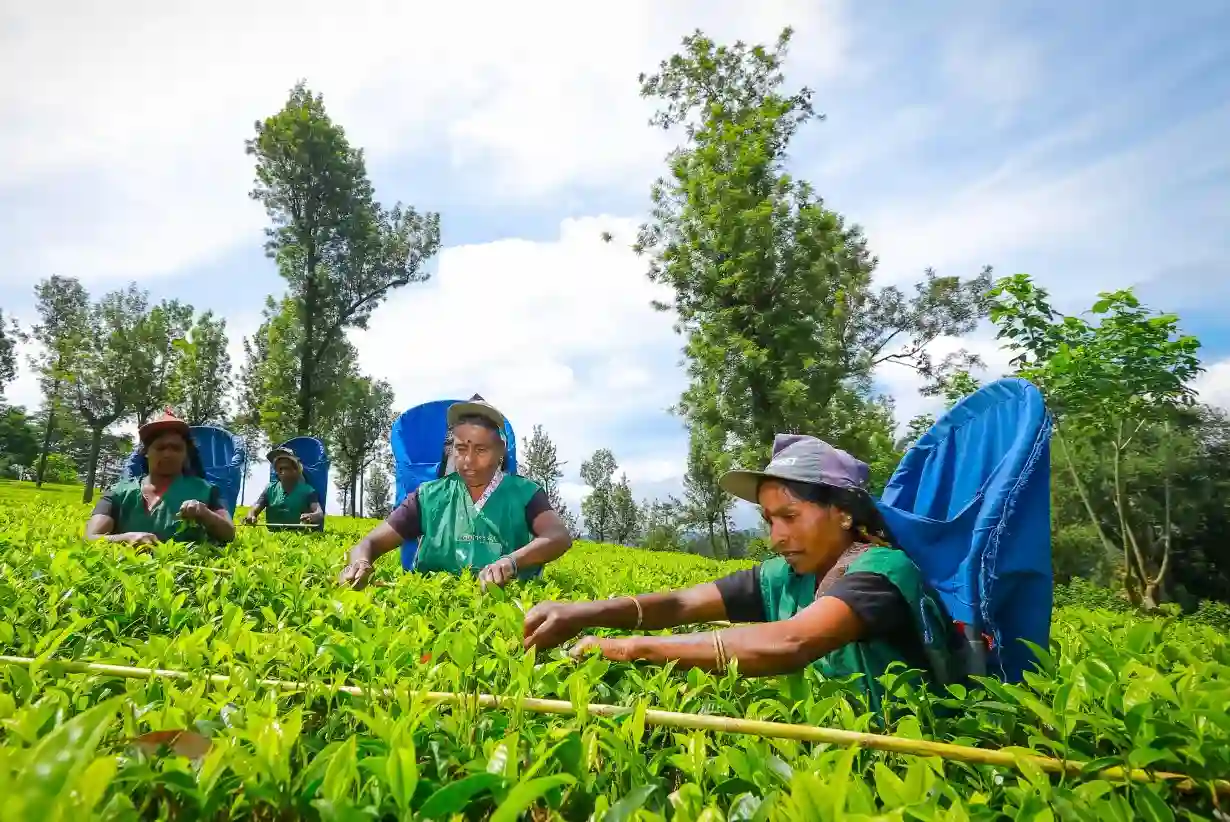
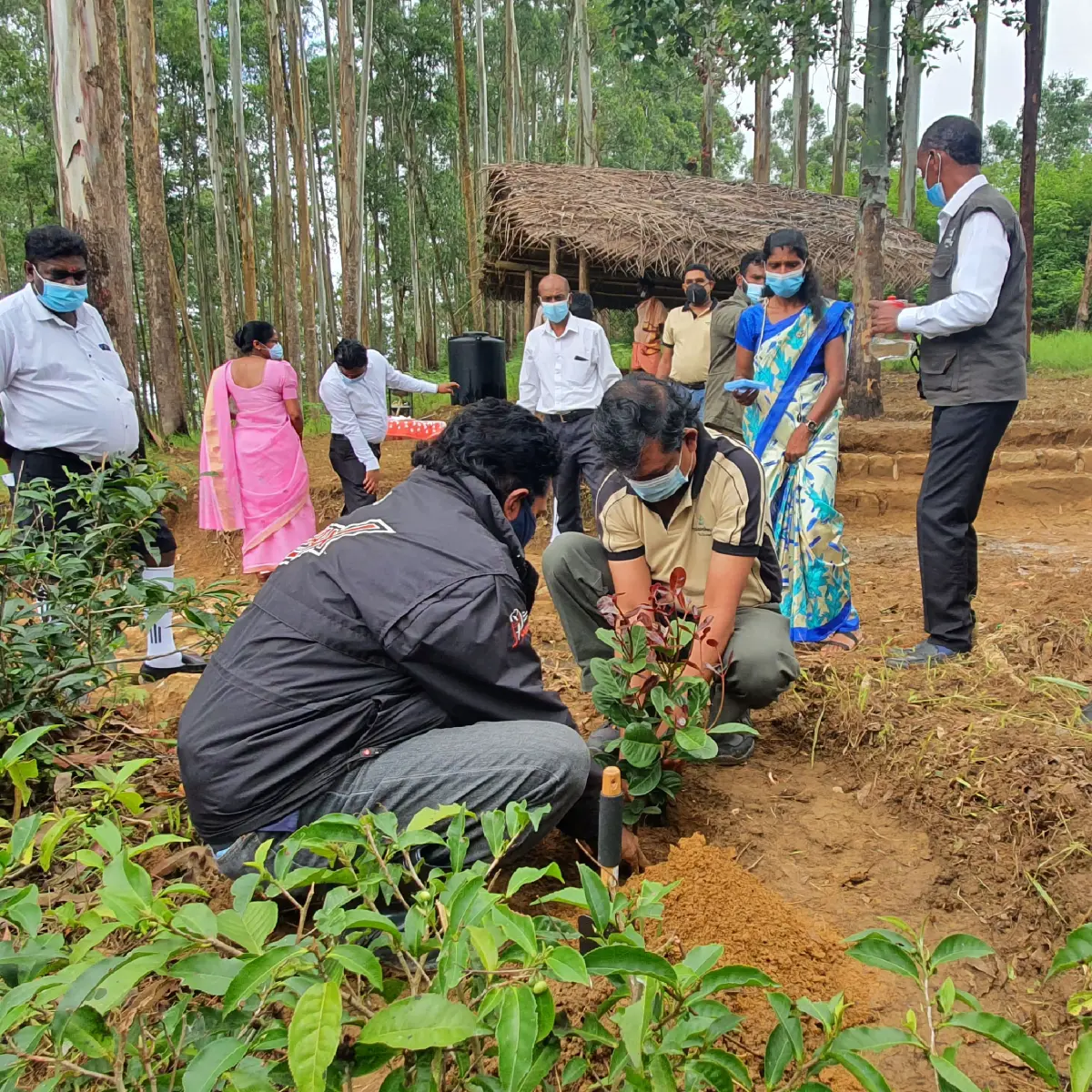
Project Kirulu is Hayleys Group’s flagship biodiversity program which promotes the planting of native and endemic trees. Companies within the Group engage in tree planting for this program through our plantation sector company, Talawakelle Tea Estates PLC.
Green Belt and Wetland Biodiversity Zone at Hayleys Fabric
Green Belt and Wetland Biodiversity Zone at Hayleys Fabric
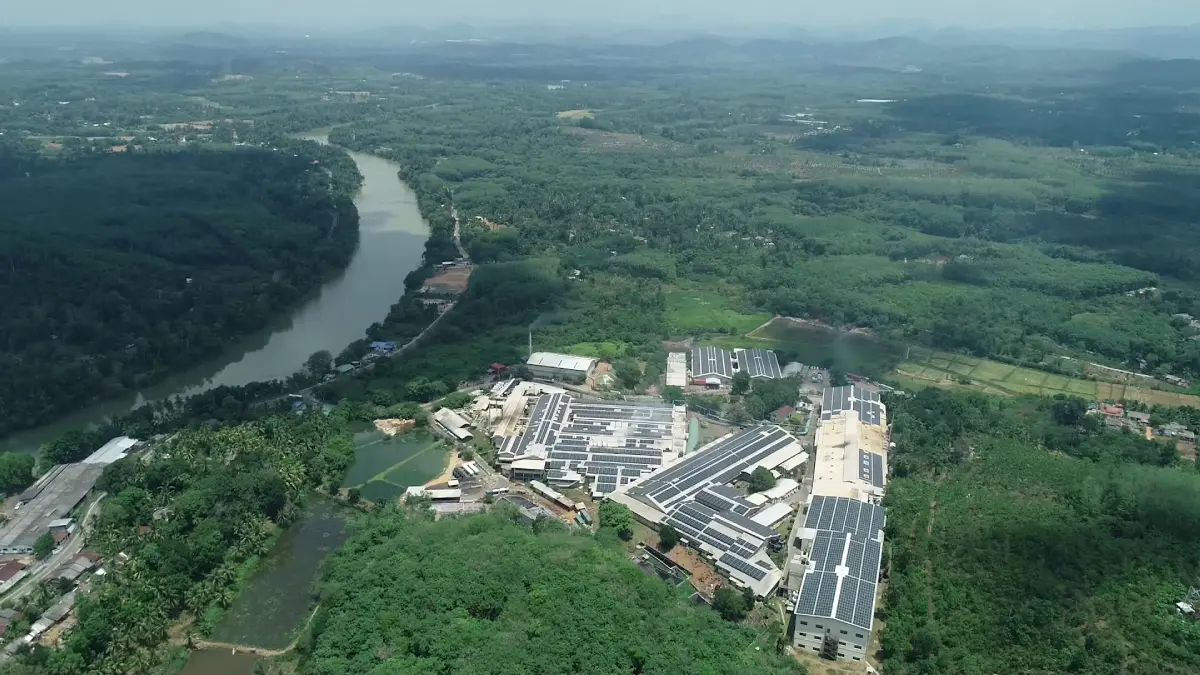
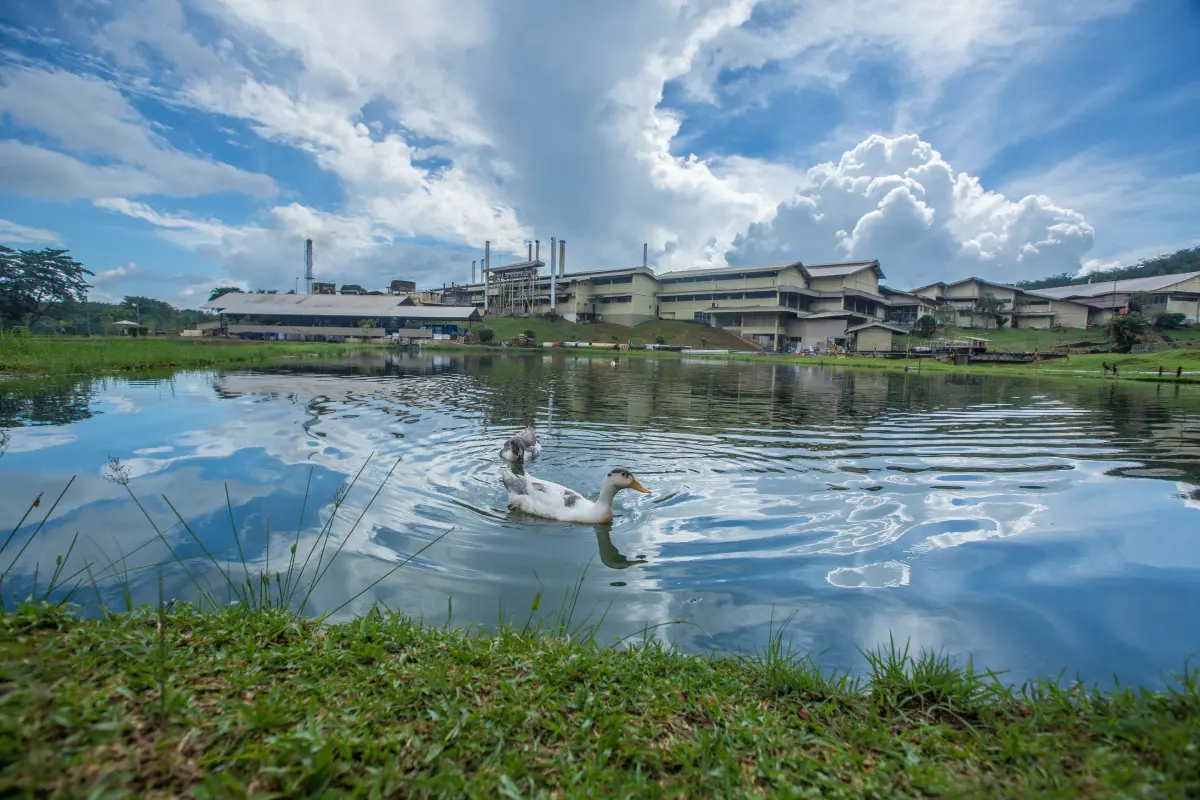
The Group’s Textile Sector has reserved 20 acres and 9 acres of land adjoining the factory as a Green Belt and Wetland Biodiversity Zone respectively, under the guidance of the Central Environment Authority. Conducted under the guidance of the Central Environment Authority, the initiative included a biodiversity survey by the Environmental Ministry Secretariat, which identified 146 plant species belonging to 63 families and 149 animal species, including 2 endemic plant species and 18 endemic animal species.
Surakimu Ganga by KVPL
Surakimu Ganga by KVPL
KVPL in partnership with IUCN launched the Surakimu Ganga initiative which strives for collaboration between the private sector and international organisations to adopt nature-based solutions for greening the river basin in We Oya catchment area in the Kelani river.
Advantis Blue Carbon
Advantis Blue Carbon
The Transportation Sector’s Project Advantis Blue C seeks to increase the national blue carbon sinking capacity by supporting the conservation and replenishment of coastal ecosystems. The initiative is focused on accelerating the natural regeneration of mangroves at Anawilundawa. The Project received the UN Decade of Restoration Flagship Award for Sri Lanka by the UNEP and FAO of the United Nations
Tree Planting Initiative by Talawakelle Tea Estates
Tree Planting Initiative by Talawakelle Tea Estates
Talawakelle Tea Estate PLC’s large-scale tree planting initiative at St Clair Reservoir, aims to plant and establish secondary forests across significant hectares with native and endemic plants across Talawakelle Tea Estates’ plantations.
